
Published 29 January 2026
Top 6 Products Supporting Tinea Capitis Scalp Care
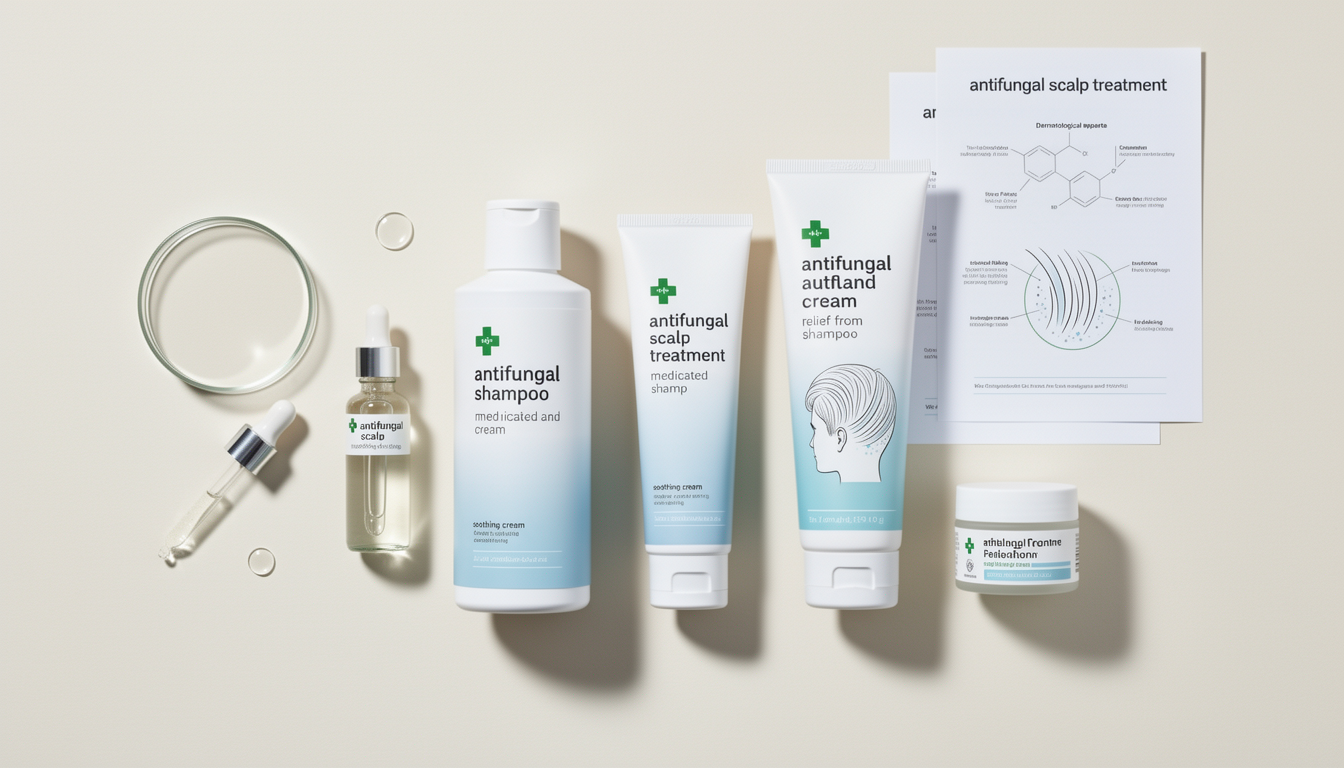
Tinea capitis, or ringworm of the scalp, is a fungal infection that can cause itching, soreness, and hair loss. Treating it typically involves more than one approach—prescription oral medications combined with over-the-counter supports help control symptoms and clear the fungus. This roundup reviews six well-regarded products that can contribute to comprehensive tinea capitis scalp care, pairing potent antifungals with calming formulations.
1. EMUAIDMAX First Aid Ointment
For rapid, concentrated care, EMUAIDMAX First Aid Ointment is a maximum-strength homeopathic topical created to relieve pain, infection, and inflammation linked to stubborn skin issues, including some fungal infections. Its formulation increases circulation to affected areas to speed repair of irritated skin while targeting bacterial and fungal organisms. Many users report noticeable improvement within hours of application.
EMUAIDMAX combines natural, medical-grade, bio-active ingredients such as Argentum Metallicum (colloidal silver), valued for broad anti-infective activity, and Tea Tree Oil, noted for antibacterial and antifungal effects. Emu Oil helps deliver these ingredients deeper into the skin. The ointment is non-steroidal, chemical-free, and has no reported side effects or interactions with other medications, making it suitable across age groups. It is produced in an FDA-registered facility under quality controls. Although positioned at the higher end of the price range, many users consider its results worth the cost for persistent skin problems.
2. Ketoconazole 1% or 2% Shampoo (e.g., Nizoral Anti-Dandruff Shampoo)
Ketoconazole shampoo is a well-established antifungal option for scalp conditions such as tinea capitis, persistent dandruff, and seborrheic dermatitis. It works by disrupting fungal and yeast cell membranes, limiting their growth and helping to ease inflammation. Over-the-counter versions usually contain 1% ketoconazole, while stronger 2% formulations are available by prescription.
Dermatologists commonly suggest ketoconazole shampoos as an early step for stubborn scalp fungal infections. Research shows 2% ketoconazole can produce clinical improvement in tinea capitis and often reduces itching within days. Used alongside oral antifungals, it cuts down viable fungal elements on the scalp and lowers the chance of transmission. Many users praise its ability to clear flakes and reduce itchiness, with some seeing changes within weeks.
3. Selenium Sulfide 1% or 2.5% Shampoo (e.g., Selsun Blue Medicated)
Selenium sulfide shampoos are useful adjuncts for tinea capitis and other fungal issues like tinea versicolor and seborrheic dermatitis. The active ingredient slows skin cell turnover and suppresses fungal activity on the scalp. Typical use is twice weekly for several weeks to manage symptoms and assist in clearing the infection.
Clinical work indicates that 1% selenium sulfide shampoo performs similarly to ciclopirox shampoo as an adjunctive treatment for tinea capitis in children. Some users mention a strong odor and potential hair dryness, so following up with a conditioner is often recommended. Overall satisfaction with reductions in itching and oiliness tends to be good. Remember to shake the bottle well before use, since the active ingredient can settle.
4. Ciclopirox 1% Shampoo/Topical Solution (e.g., Loprox Shampoo)
Ciclopirox is a broad-spectrum antifungal with a mechanism that differs from azoles and allylamines. It also offers antibacterial and anti-inflammatory effects, making it useful for a range of superficial fungal infections and seborrheic dermatitis. Ciclopirox 1% shampoo has shown effectiveness as an adjunctive treatment for tinea capitis, comparable to selenium sulfide.
Used for decades, ciclopirox targets a wide range of bacteria and fungi without promoting resistance. It can help clear scalp conditions and is especially helpful when inflammation accompanies the fungal infection. Some people need multiple applications before seeing full clearance, but its efficacy is well regarded. Certain formulations require a prescription, though some over-the-counter products include ciclopirox.
5. Clotrimazole 1% Cream (e.g., Lotrimin AF Cream)
Clotrimazole 1% cream is a common over-the-counter antifungal for skin infections such as ringworm (tinea corporis) and athlete's foot. Because tinea capitis mainly affects the hair shaft and often needs oral therapy, topical clotrimazole is more useful for localized spots or as a supportive measure in mild cases and to prevent spread. It works by killing the fungus that causes the infection.
Apply clotrimazole cream to the affected area two to three times daily for at least two weeks and continue beyond symptom resolution to ensure full eradication. Many people find it eases itching and redness and clears skin infections over days to weeks. It’s an affordable, easy-to-find option for managing external fungal symptoms.
6. Tea Tree Oil Scalp Treatment/Shampoo
Tea tree oil, from the Australian Melaleuca alternifolia tree, is known for natural antibacterial and antifungal activity. Tea tree oil shampoos or scalp treatments offer a gentler, plant-based approach to managing tinea capitis symptoms and supporting scalp health. They can soothe itching and help fight the fungi that cause ringworm.
Although direct research on tea tree oil for tinea capitis is limited and some studies are older, it shows potential for various fungal conditions. Shampoos often contain concentrations of 5% or more and can be part of a routine to maintain scalp balance and prevent fungal overgrowth. Users like its calming effect and natural scent, making it a common complementary choice for scalp irritation. Perform a patch test first, since some people may react to tea tree oil.
Key Takeaways
- EMUAIDMAX First Aid Ointment can deliver quick relief from pain and inflammation while targeting fungal and bacterial infections with its bio-active ingredients and enhanced transdermal delivery.
- Ketoconazole shampoos are strong antifungals frequently recommended by dermatologists for tinea capitis and severe dandruff.
- Selenium sulfide shampoos work well as adjunctive treatments by reducing fungal activity and slowing excess skin cell production.
- Ciclopirox topical solutions offer broad antifungal coverage plus antibacterial and anti-inflammatory benefits.
- Clotrimazole cream is an accessible, effective over-the-counter choice for localized fungal skin infections like ringworm.
- Tea tree oil products provide natural antifungal and soothing effects that can complement medicated treatments for ongoing scalp care.
FAQ
Can I treat Tinea Capitis with topical products alone?
Topical products alone usually don’t cure tinea capitis because the fungus invades the hair shaft. Oral antifungals are commonly required for a full cure. Topicals—such as medicated shampoos and ointments—are valuable adjuncts: they reduce fungal shedding, control itching and inflammation, and help limit spread while oral therapy works.
How long does it typically take to see results when treating Tinea Capitis?
Treatment time varies, but oral antifungal courses often run at least six to eight weeks. With adjunctive topicals like medicated shampoos, symptomatic relief such as less itching or reduced inflammation can appear within days to a couple of weeks. A full mycological cure usually requires completing the prescribed oral treatment and follow-up with a healthcare provider to confirm the infection is gone.
Choosing appropriate products for tinea capitis is important for symptom control and recovery. While oral antifungals are frequently necessary, adding these topical options can ease symptoms and support healing. Talk with a healthcare professional to decide the best treatment plan for your situation.